Real photos from our iguana removal work across Palm Beach and Broward Counties. See the damage iguanas cause and our professional results.
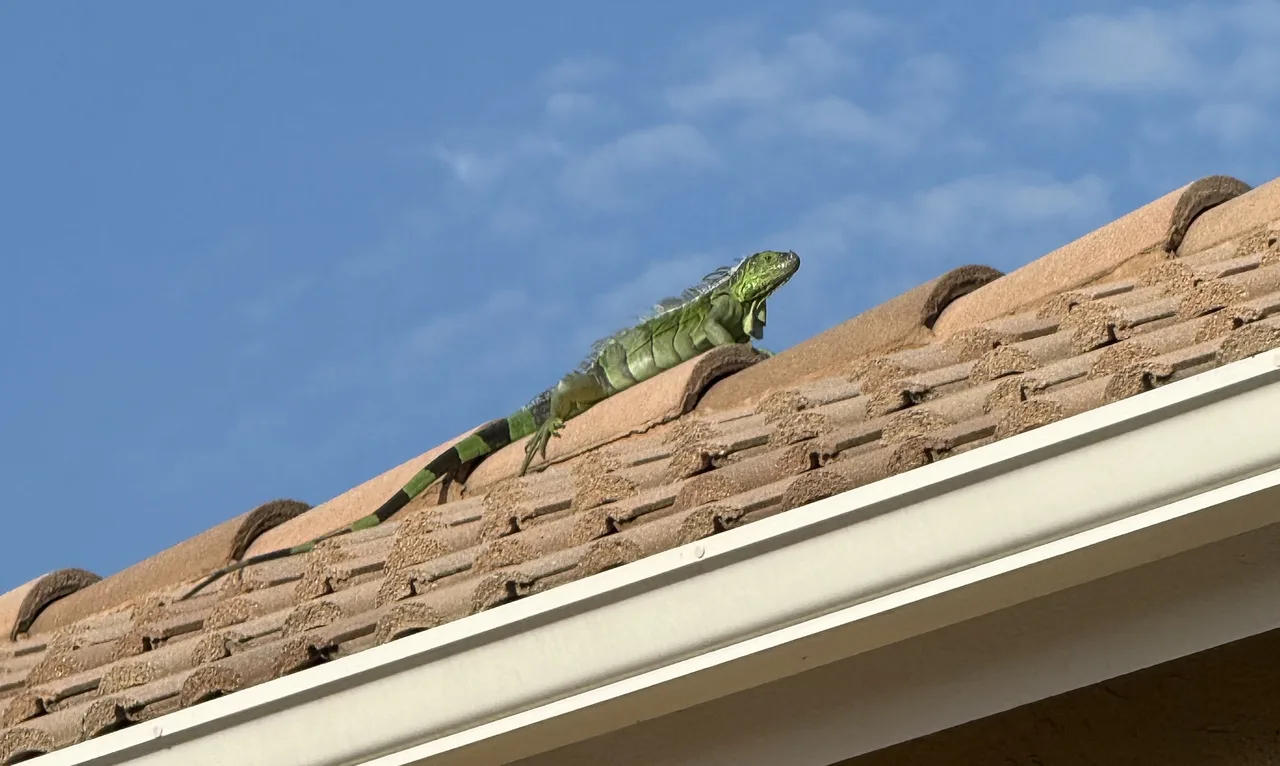
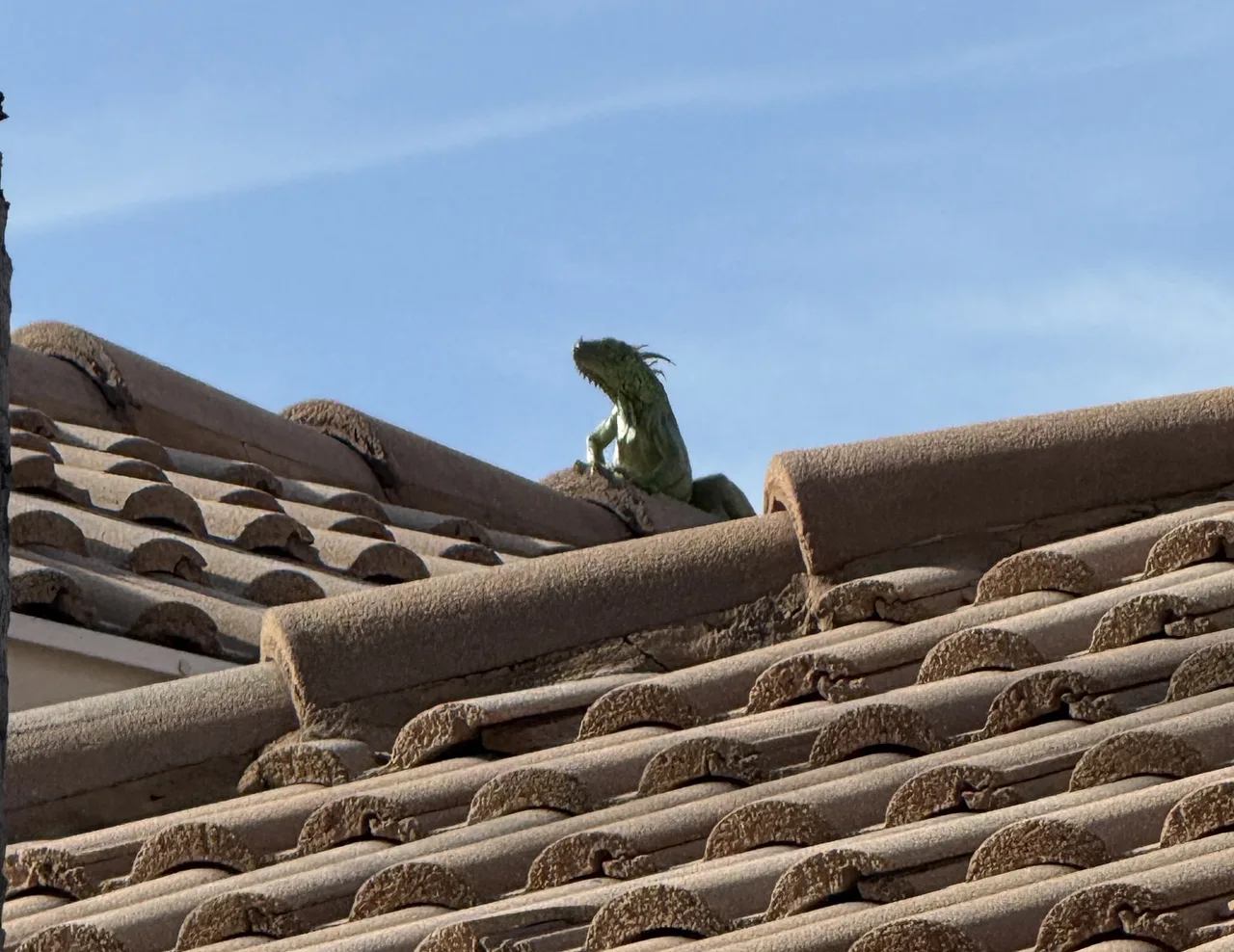
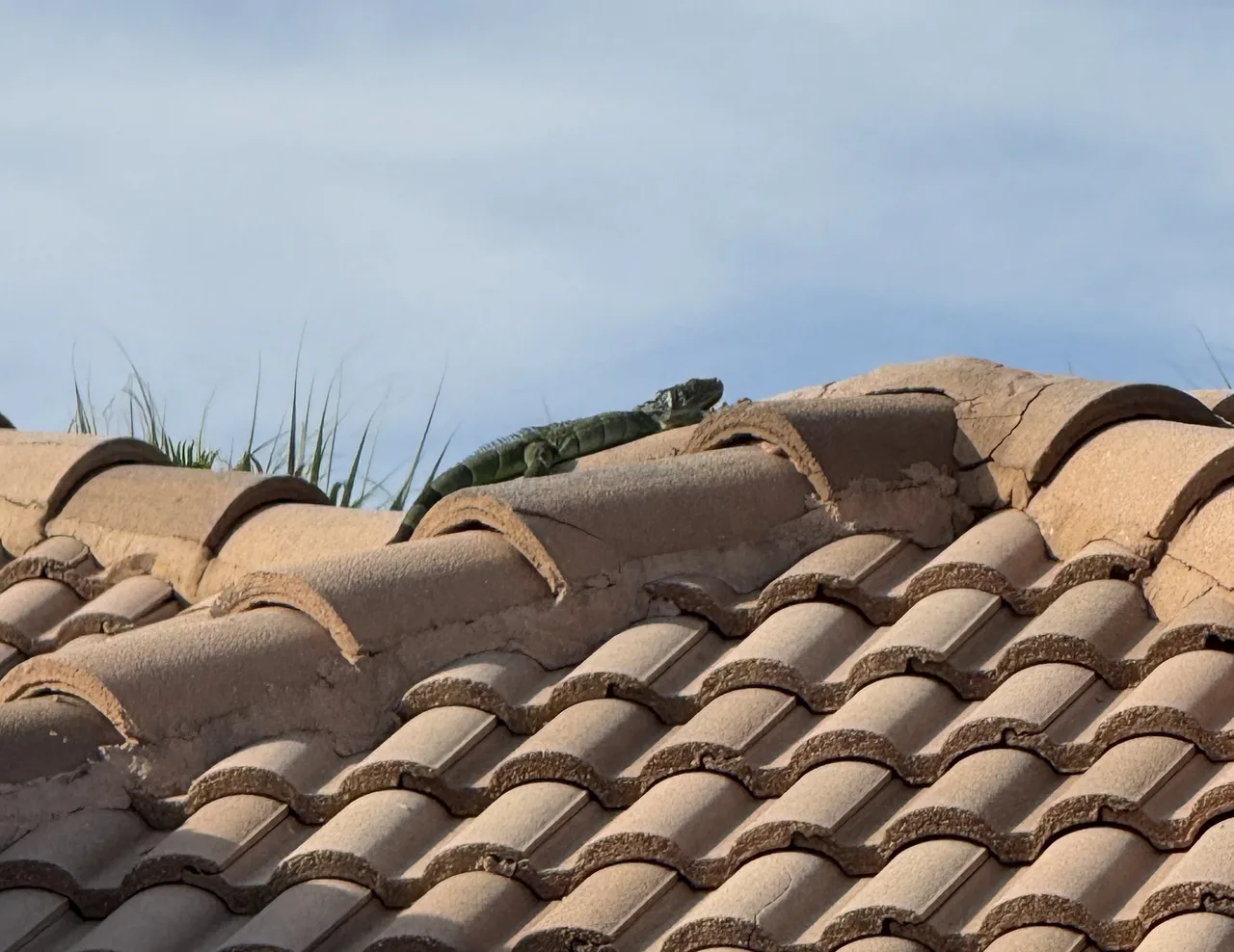
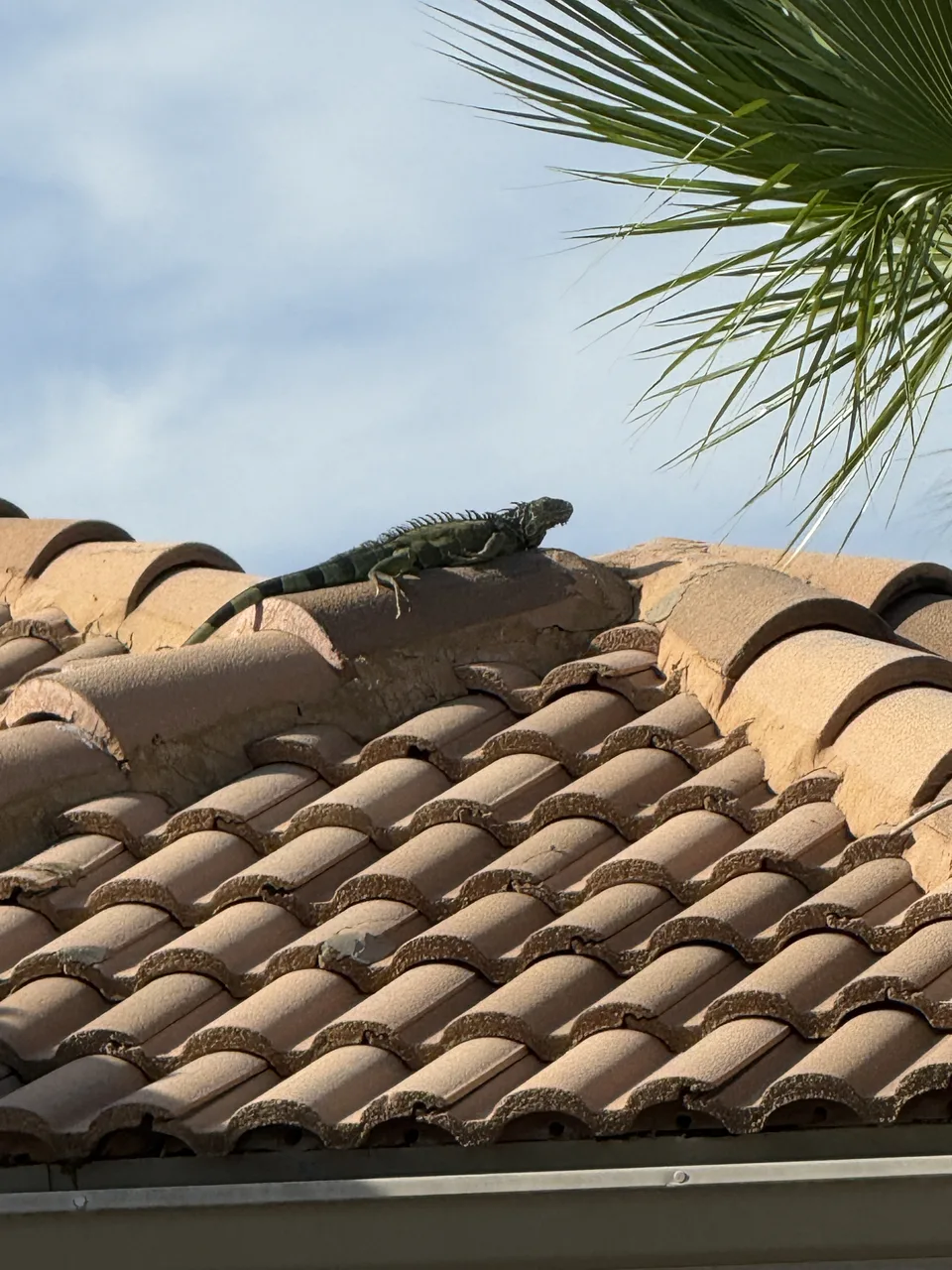
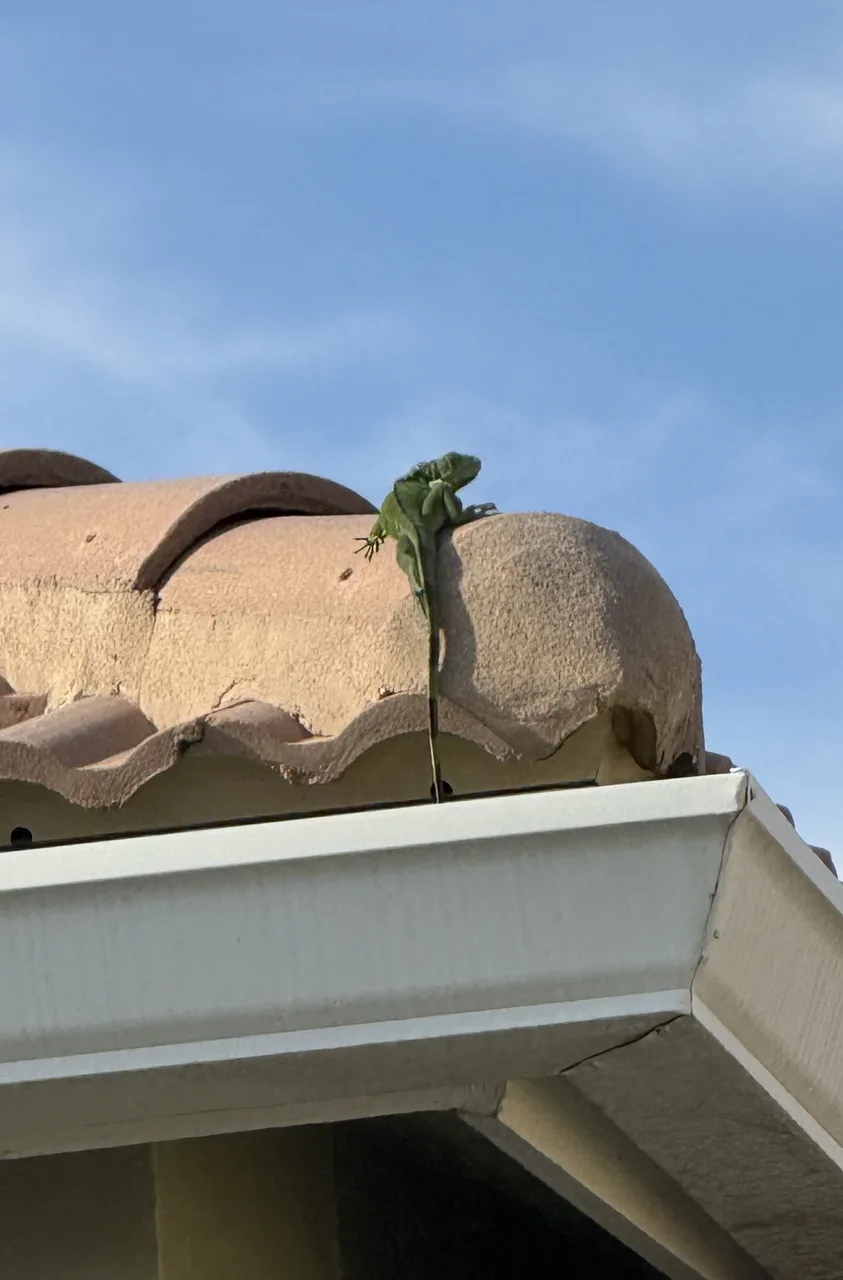
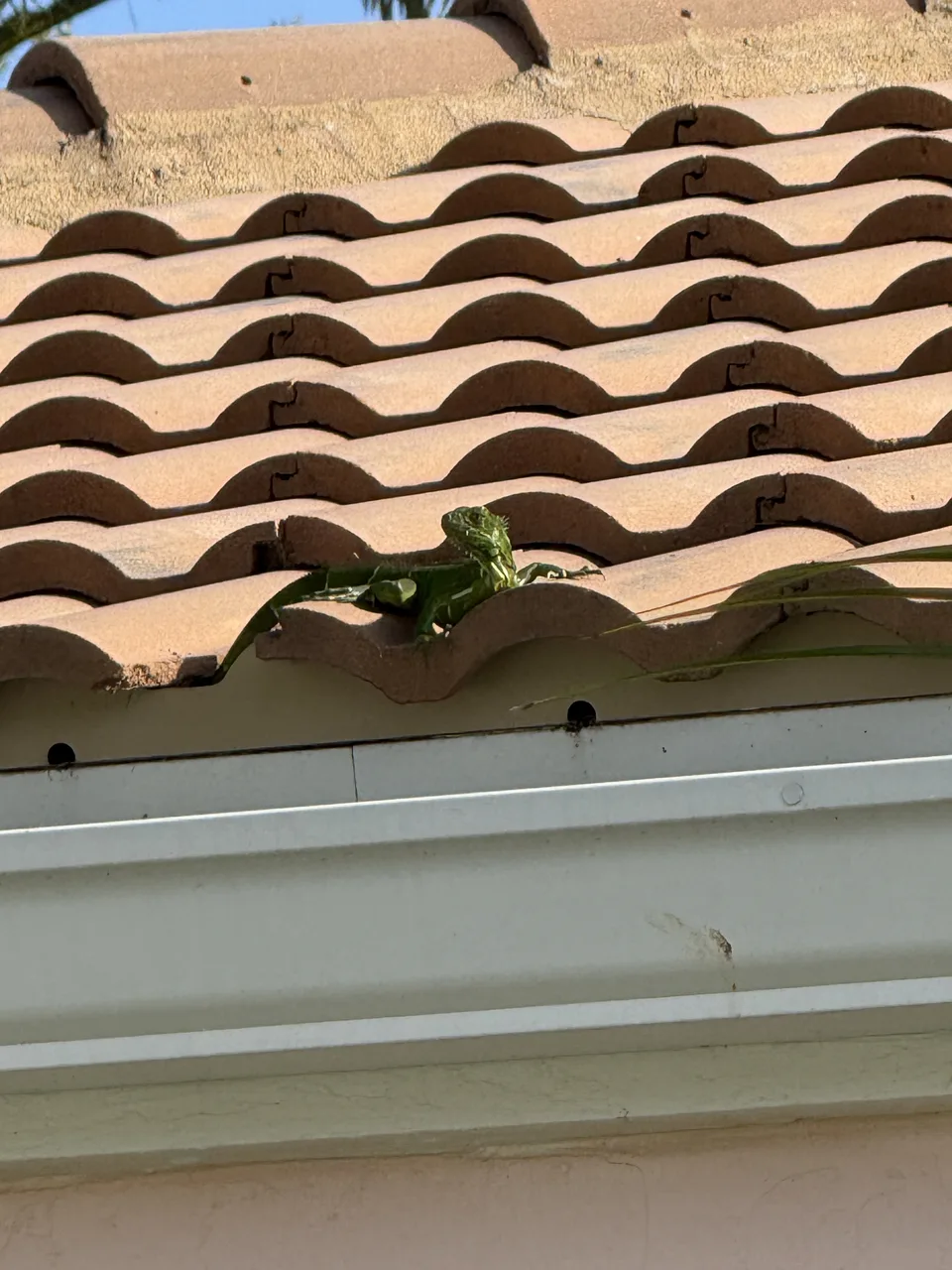
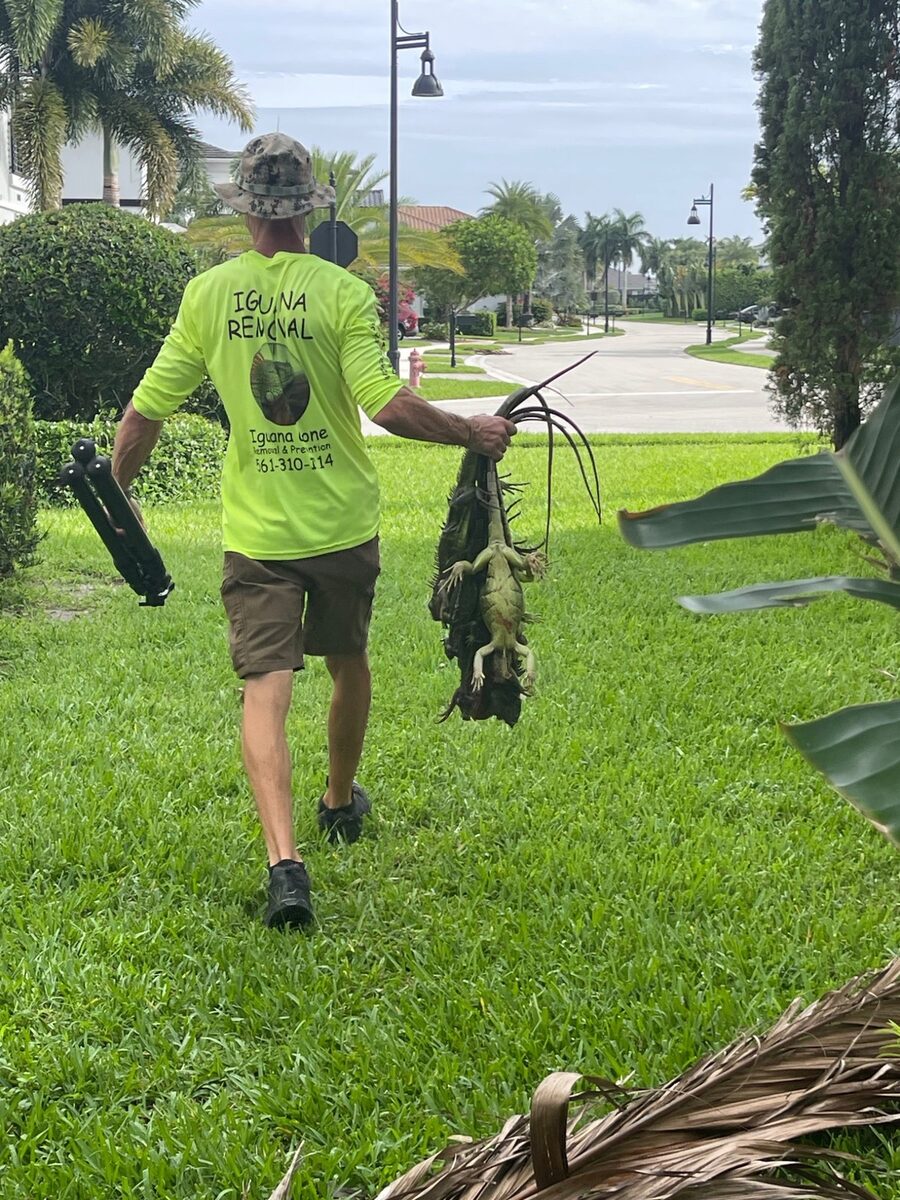
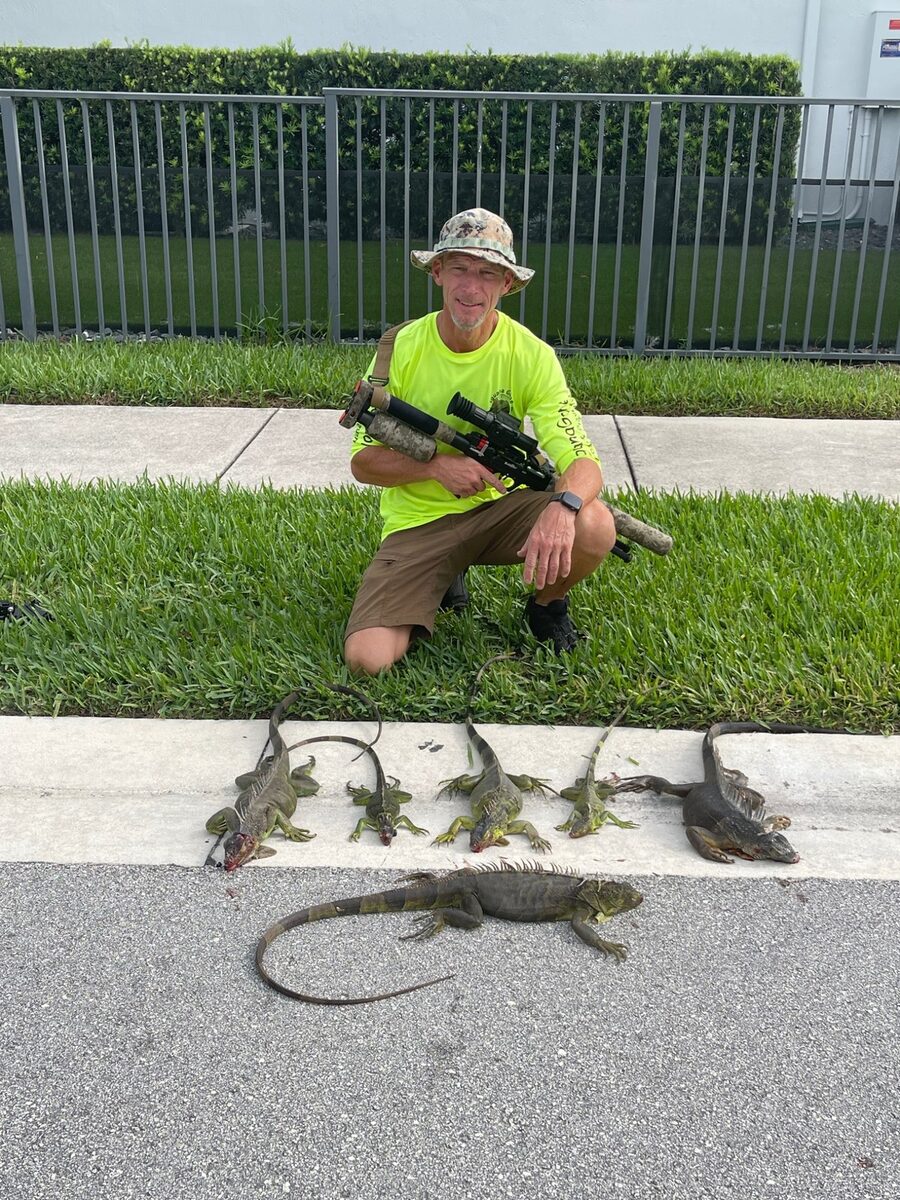
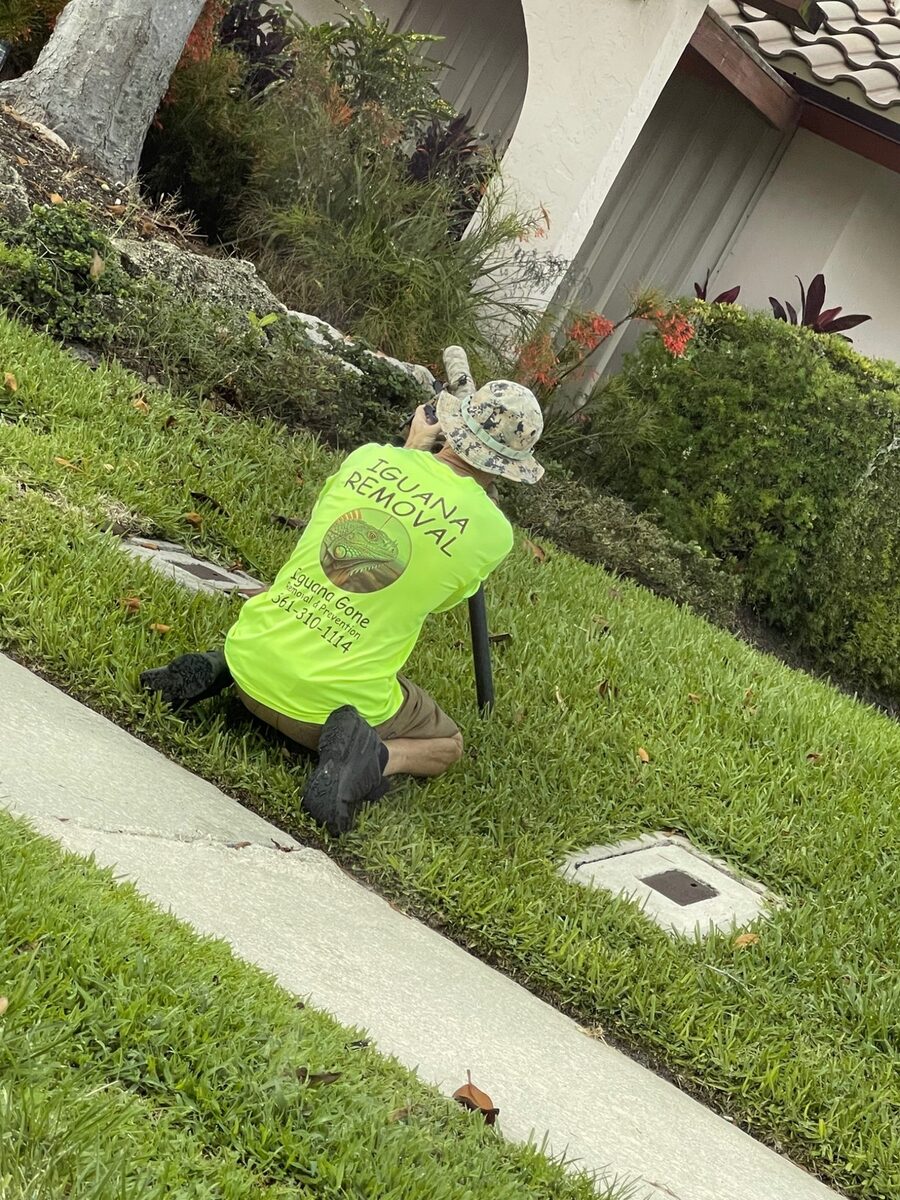
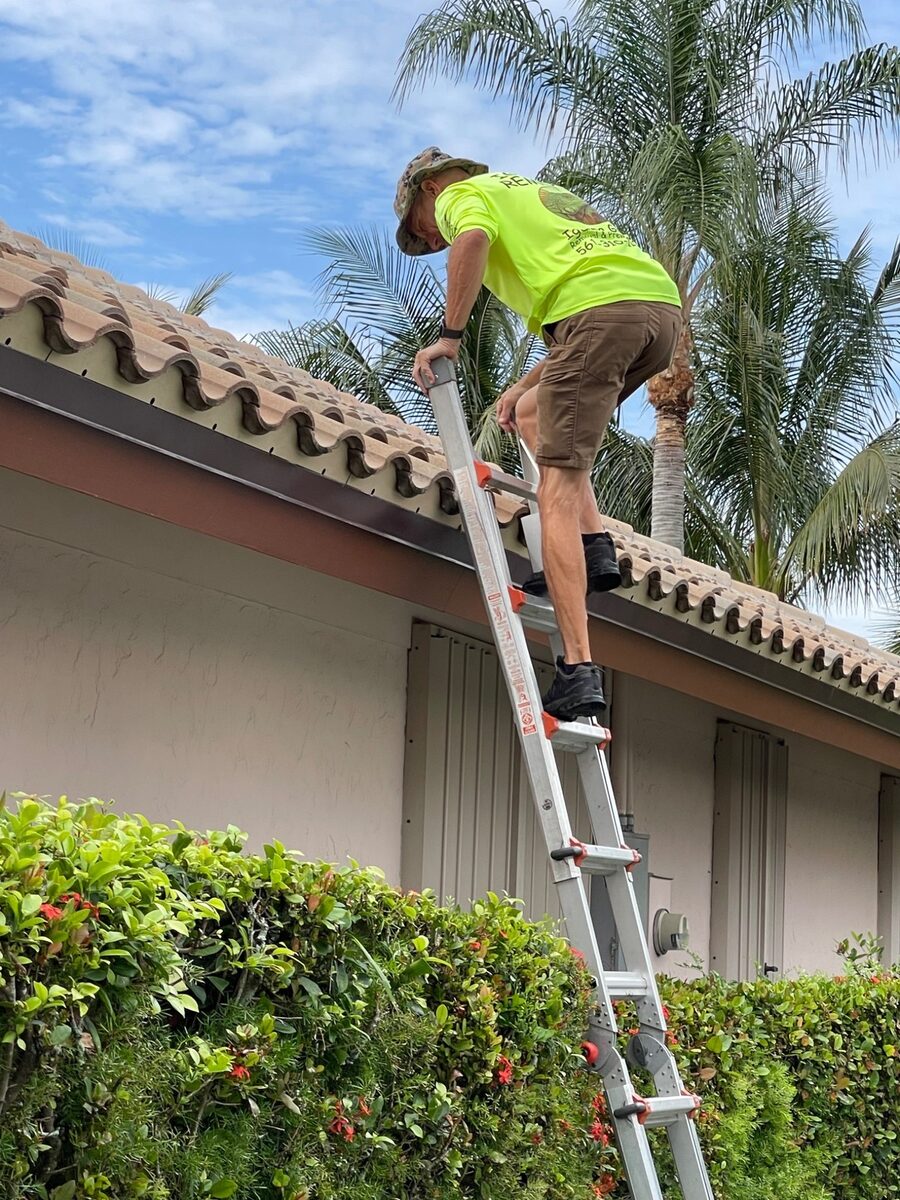
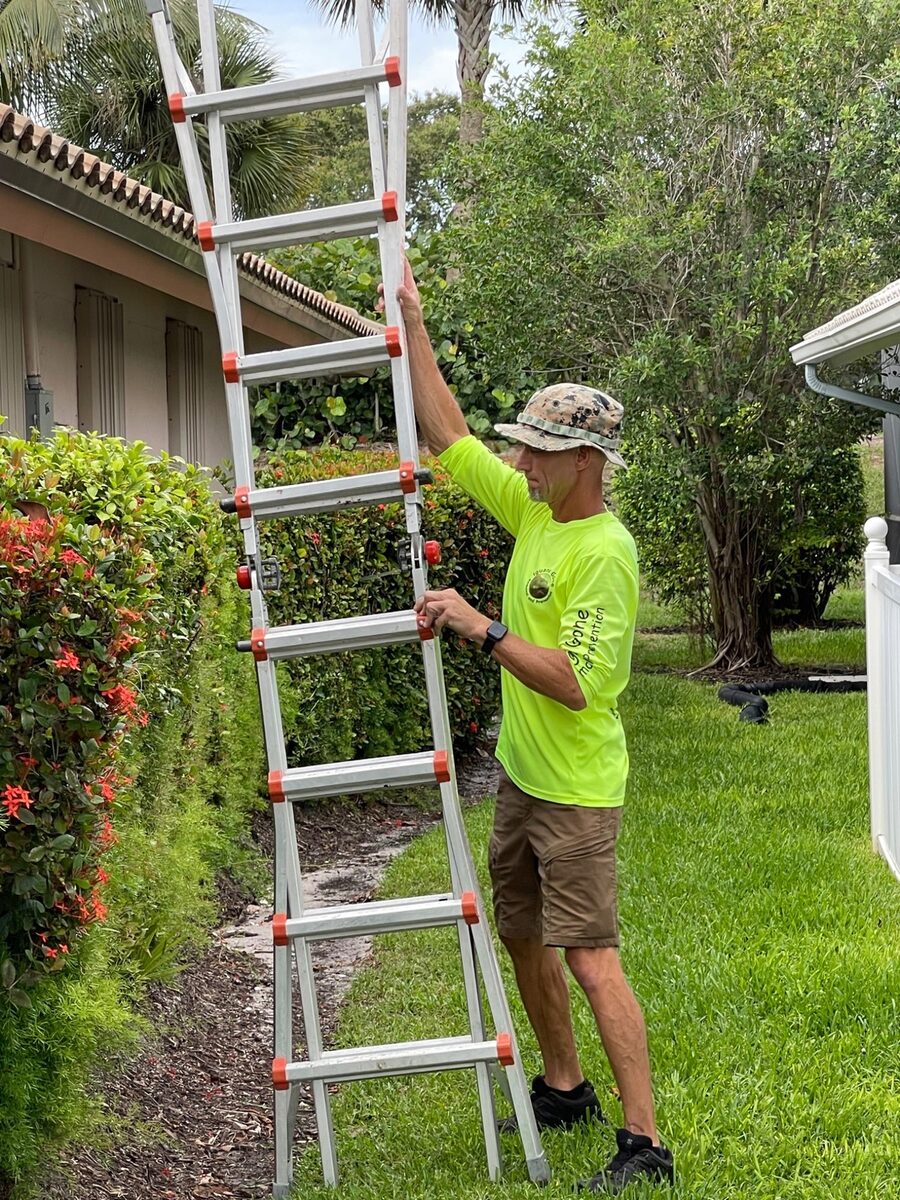
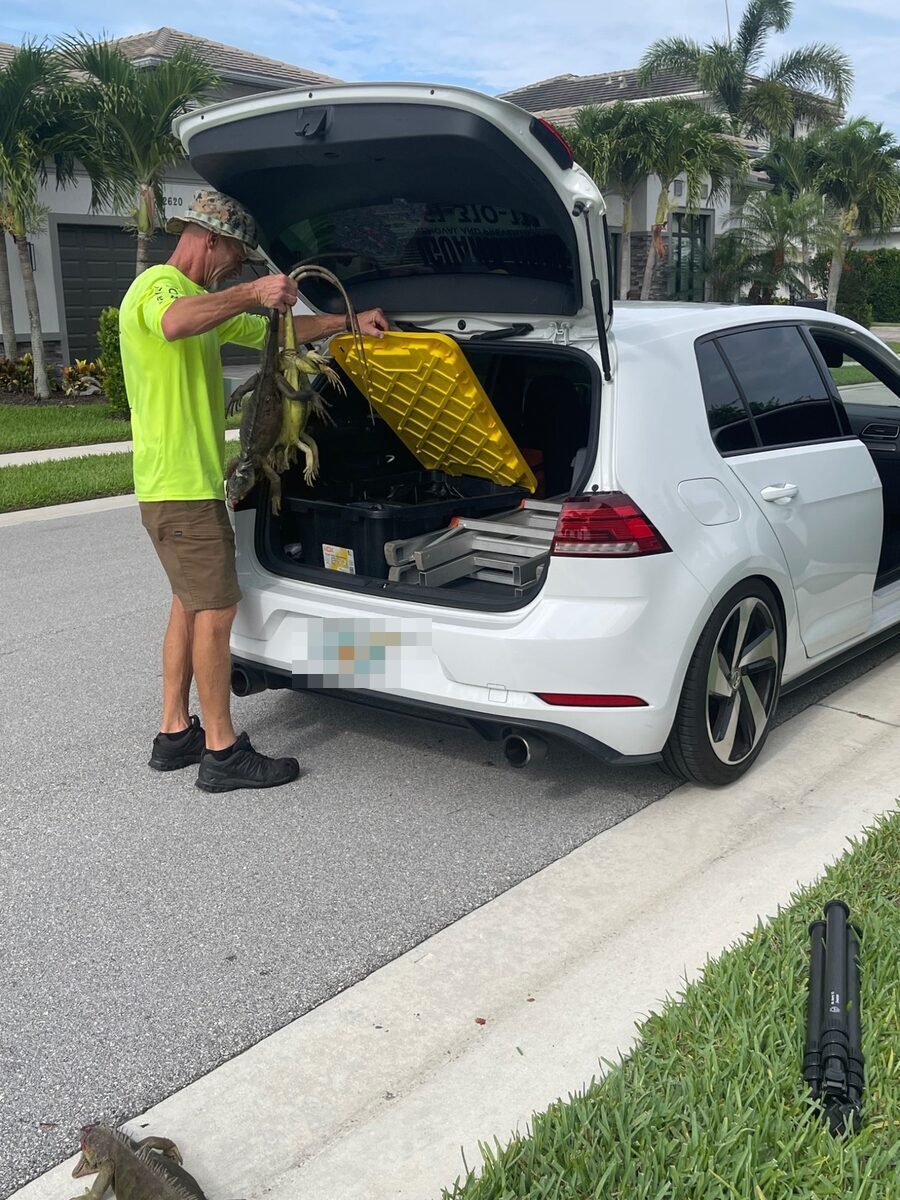
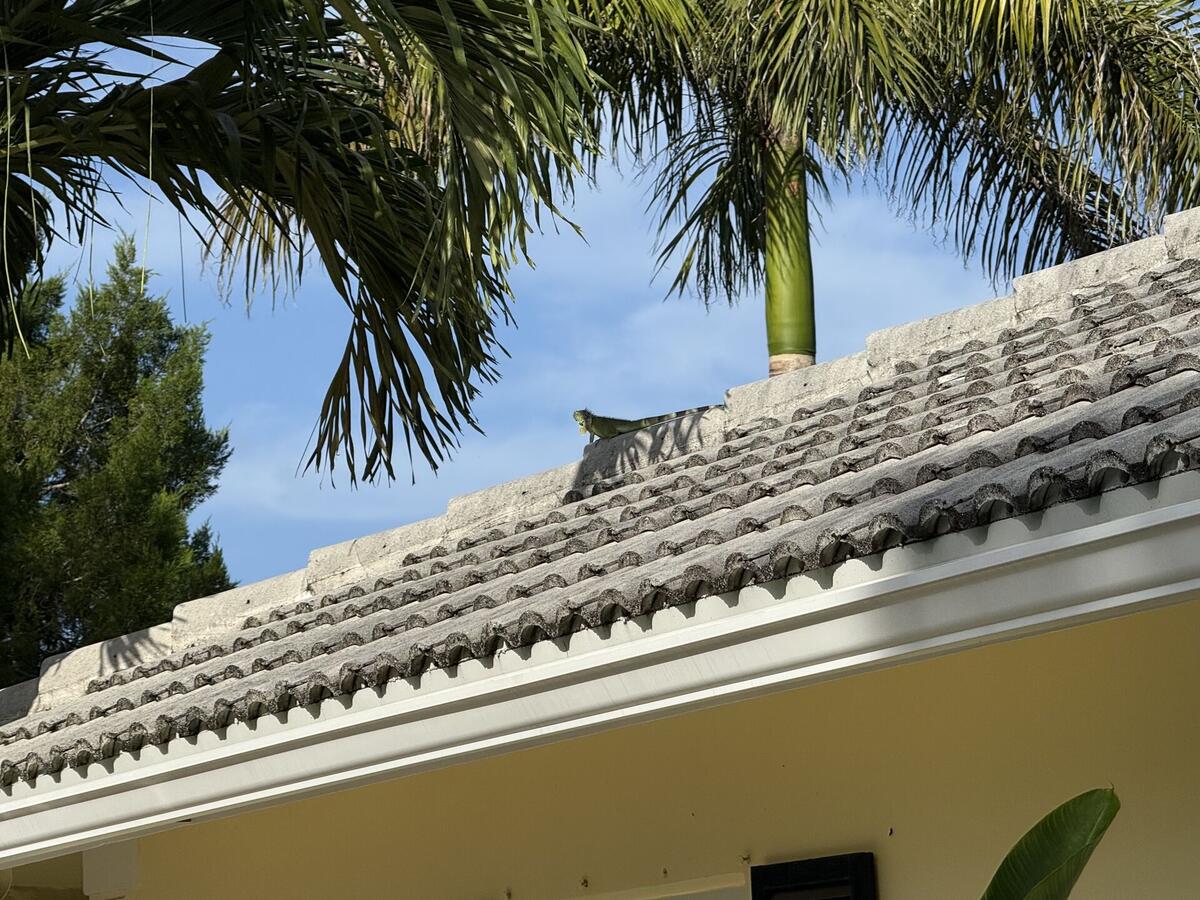
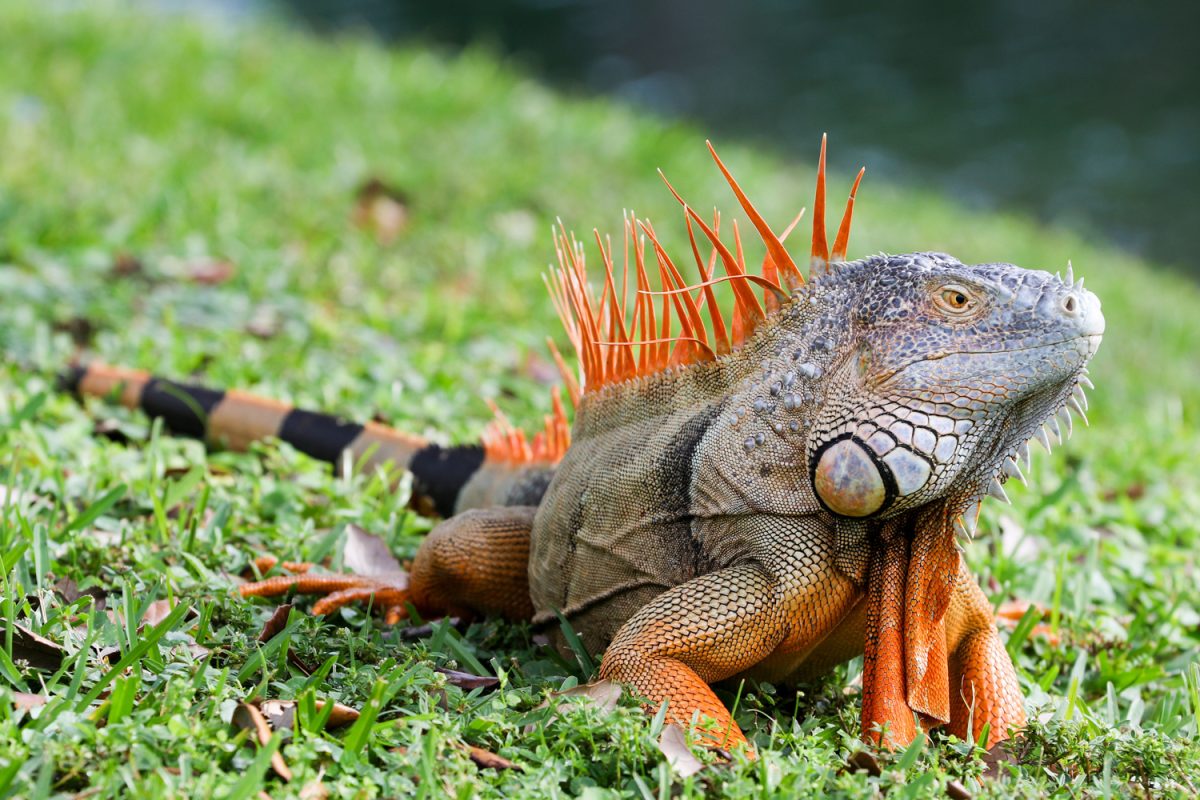
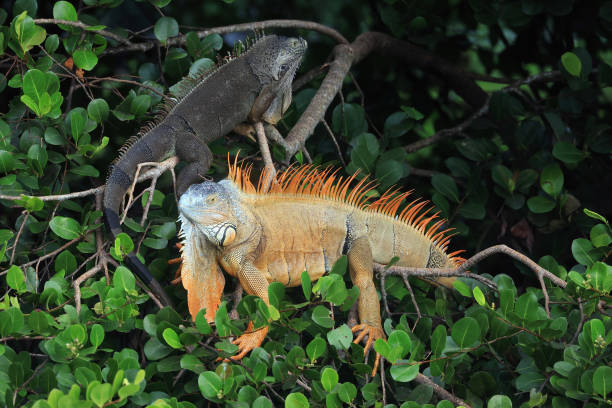
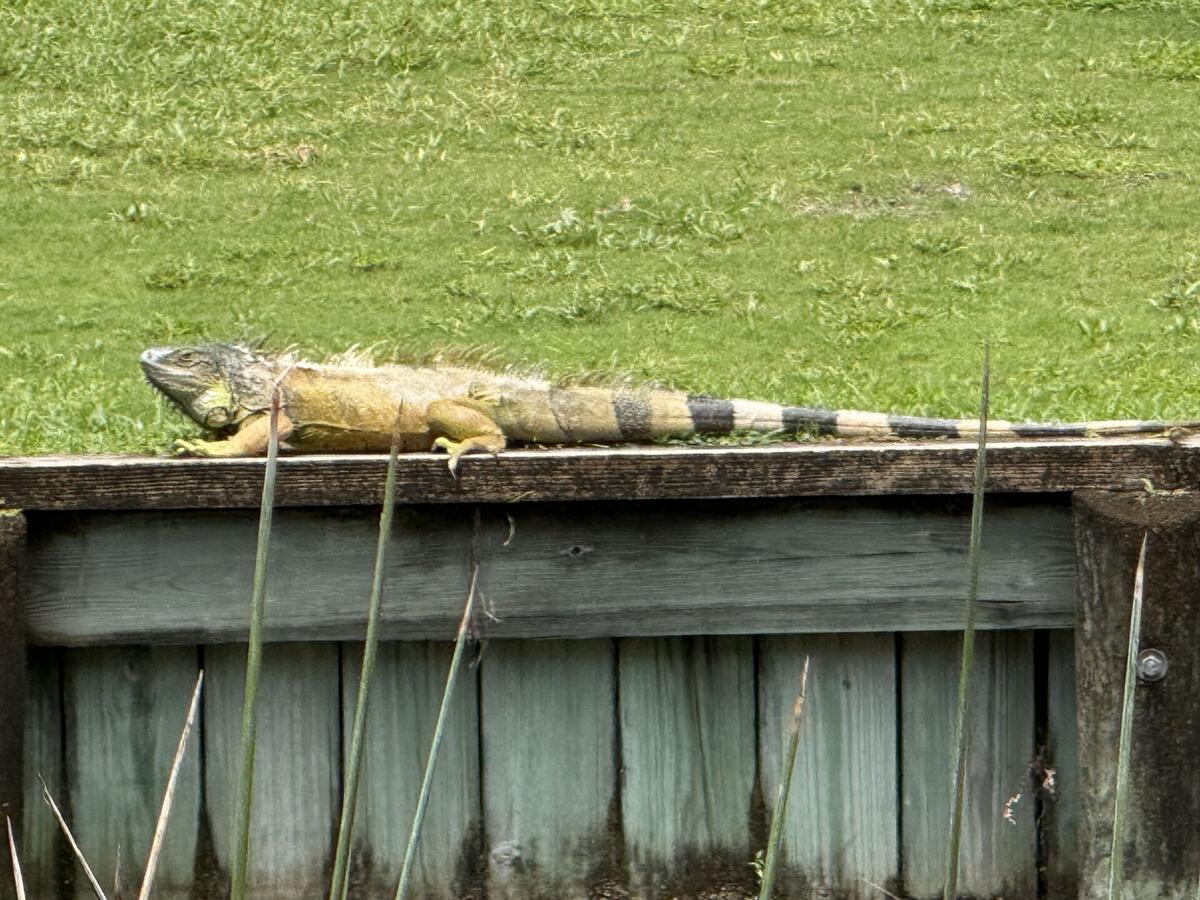
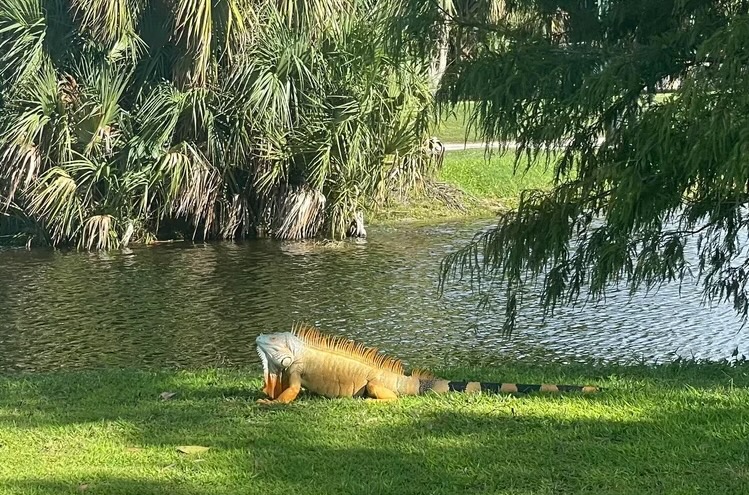
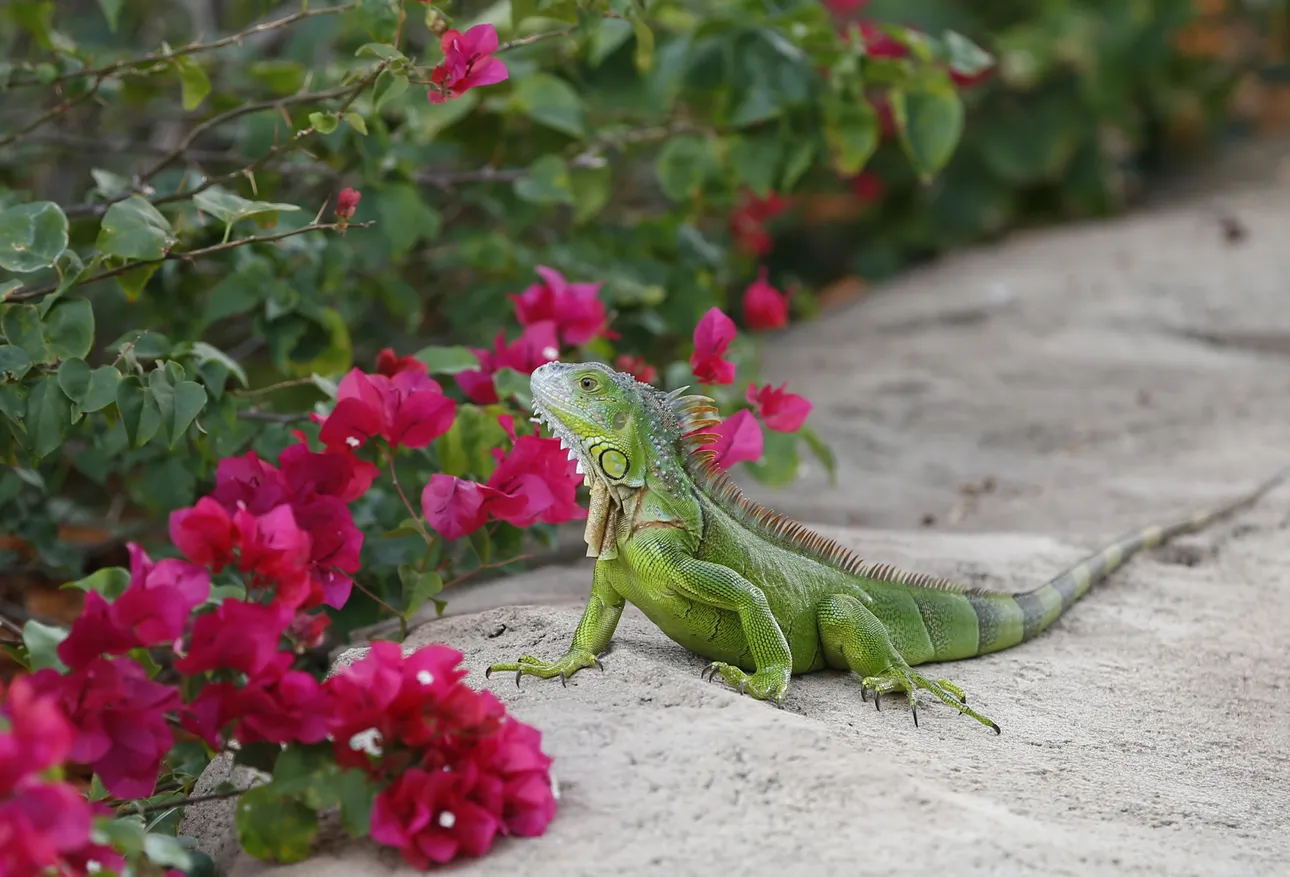
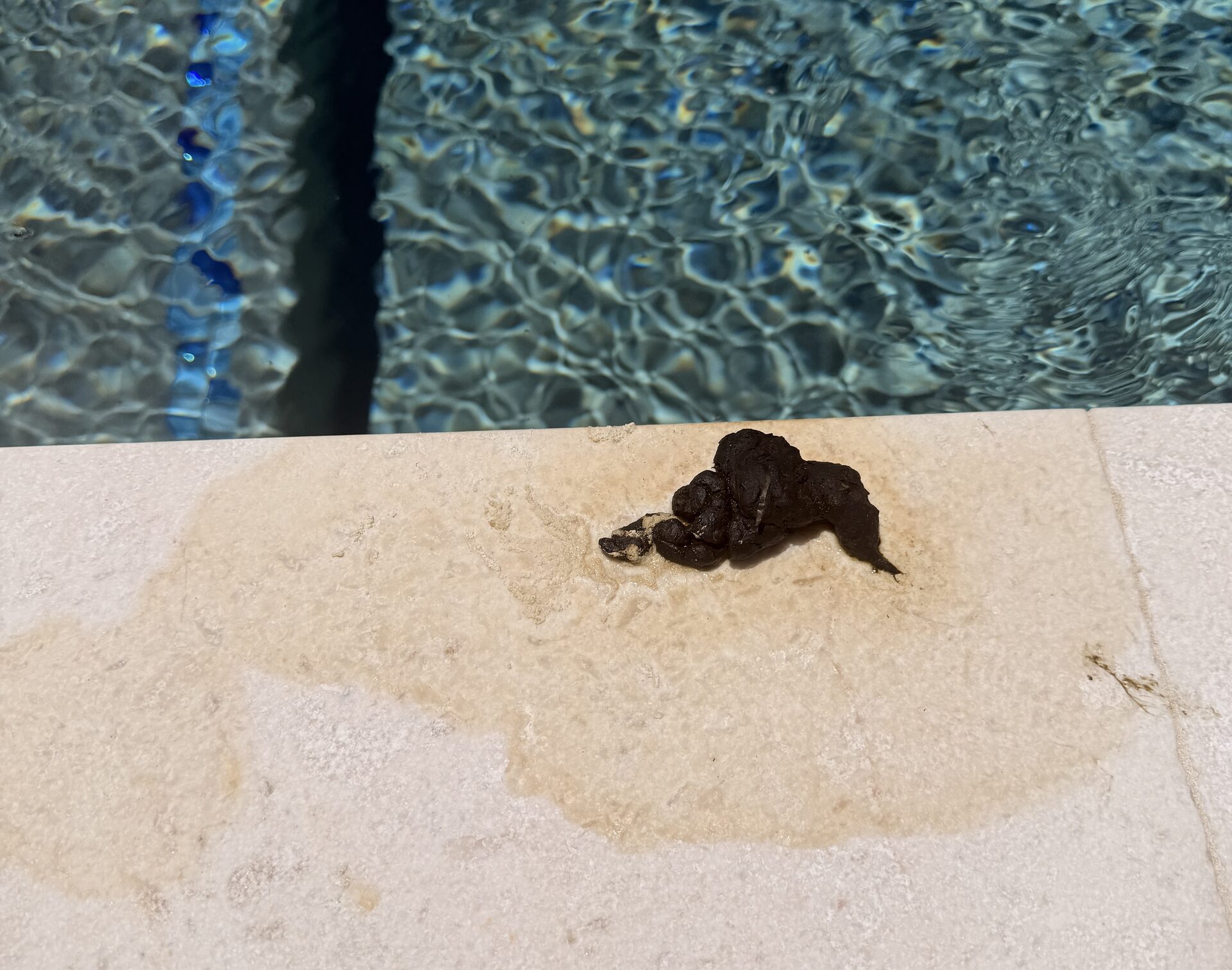
A mature green iguana basking on a barrel-tile roof in Delray Beach. Warm tile holds heat, which makes rooftops a favorite basking spot.An iguana perched on the ridge line of a tile roof in Delray Beach. The high vantage point lets iguanas warm up while watching for threats below.An iguana on a tile roof next to cracked, lifted tiles in Delray Beach. Repeated rooftop traffic and a heavy adult's weight can worsen existing tile damage.A large adult iguana patrolling the ridge of a tile roof in Delray Beach. Big, established iguanas using a roof usually signal a property they have already claimed.An iguana climbing over the roof edge by the gutter in Delray Beach. Iguanas reach roofs by climbing walls, downspouts, and overhanging branches.A young iguana along the gutter line at the roof's edge in Delray Beach. Even juveniles climb to roofs, often using fascia and gutters as pathways.Multiple iguanas removed from a single Palm Beach County neighborhood in one visit. High numbers like this usually point to an established local population with nearby burrows and food sources.Several iguanas removed from one South Florida property in a single visit. When this many turn up at once, the property has usually become a regular feeding or basking spot.An Iguana Gone technician removing an iguana from a rooftop with an air rifle. Roof removals call for the right tool and a safe shooting angle away from windows and neighbors.Professional rooftop iguana removal on a South Florida home. Iguanas favor warm tile roofs for basking, so roof access is a routine part of many jobs.Setting up a ladder for safe rooftop access on a South Florida home. Reaching iguanas where they bask is often the most practical way to remove the established ones.Removed iguanas loaded into the service vehicle at the end of a South Florida job. Captured iguanas are taken off the property, not relocated nearby.A large adult iguana on a South Florida residential property. Mature iguanas this size are typically well established and often have burrows nearby.Clean roof tiles after iguana removal and cleanup. Droppings left on roofs and decks can stain surfaces and create a slip and sanitation problem.Professional iguana removal in an HOA community. Shared common areas, lakes, and seawalls make HOAs a frequent hotspot for iguana activity.Large iguanas sheltering in trees on a South Florida property. Iguanas climb to bask and stay out of reach, which makes tree-line activity easy to miss.Iguana damage on golf course turf. Grazing and burrowing along greens, bunkers, and lake banks creates costly, recurring problems for courses.An iguana on a South Florida golf course. Lake banks and bunker edges give iguanas ideal basking and burrowing ground across a course.An iguana feeding in a residential garden bed. Iguanas target soft new growth, flowers, and leafy ornamentals, often stripping plants over repeat visits.An iguana causing landscaping damage in a South Florida yard. Repeated grazing on ornamental plants is one of the most common reasons homeowners call.Iguana droppings on a Delray Beach pool deck — the white urate portion etches and stains pool deck surfaces over time.
Aggressive Black Spiny-Tailed Iguana Caught in a Trap
An aggressive black spiny-tailed iguana caught in one of our traps in South Florida. Notice the gray-brown coloring, dark banding, and heavily spined tail that set this species apart from the common green iguana — and the defensive, open-mouth aggression these iguanas show when cornered.
An aggressive black spiny-tailed iguana caught in one of our traps in South Florida. Notice the gray-brown coloring, dark banding, and heavily spined tail that set this species apart from the common green iguana — and the defensive, open-mouth aggression these iguanas show when cornered.
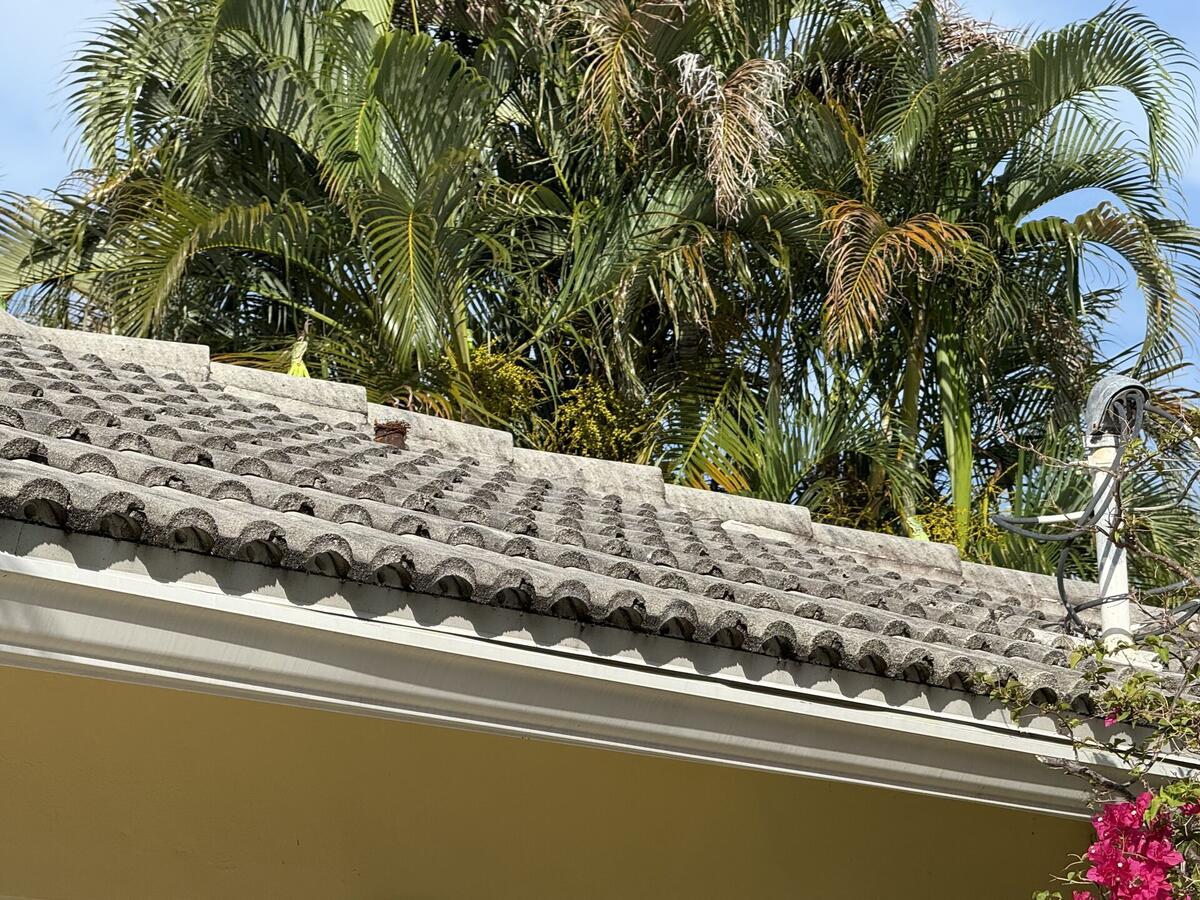
Caught on Camera: Iguanas Hiding in Fishtail Palms
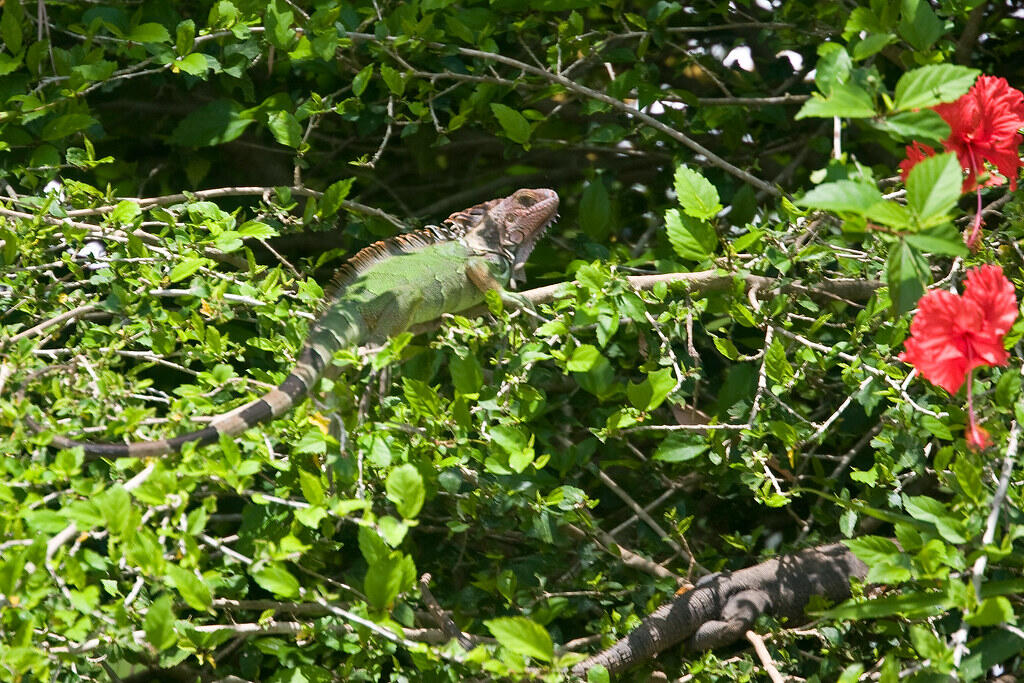
This customer called after iguanas started leaving droppings all over his artificial turf and pool deck. The backyard was surrounded by fishtail palms, and the iguanas were climbing up, sunning on top, and blending into the leaves where they were extremely hard to see. This is one example of how well these iguanas camouflage themselves.